
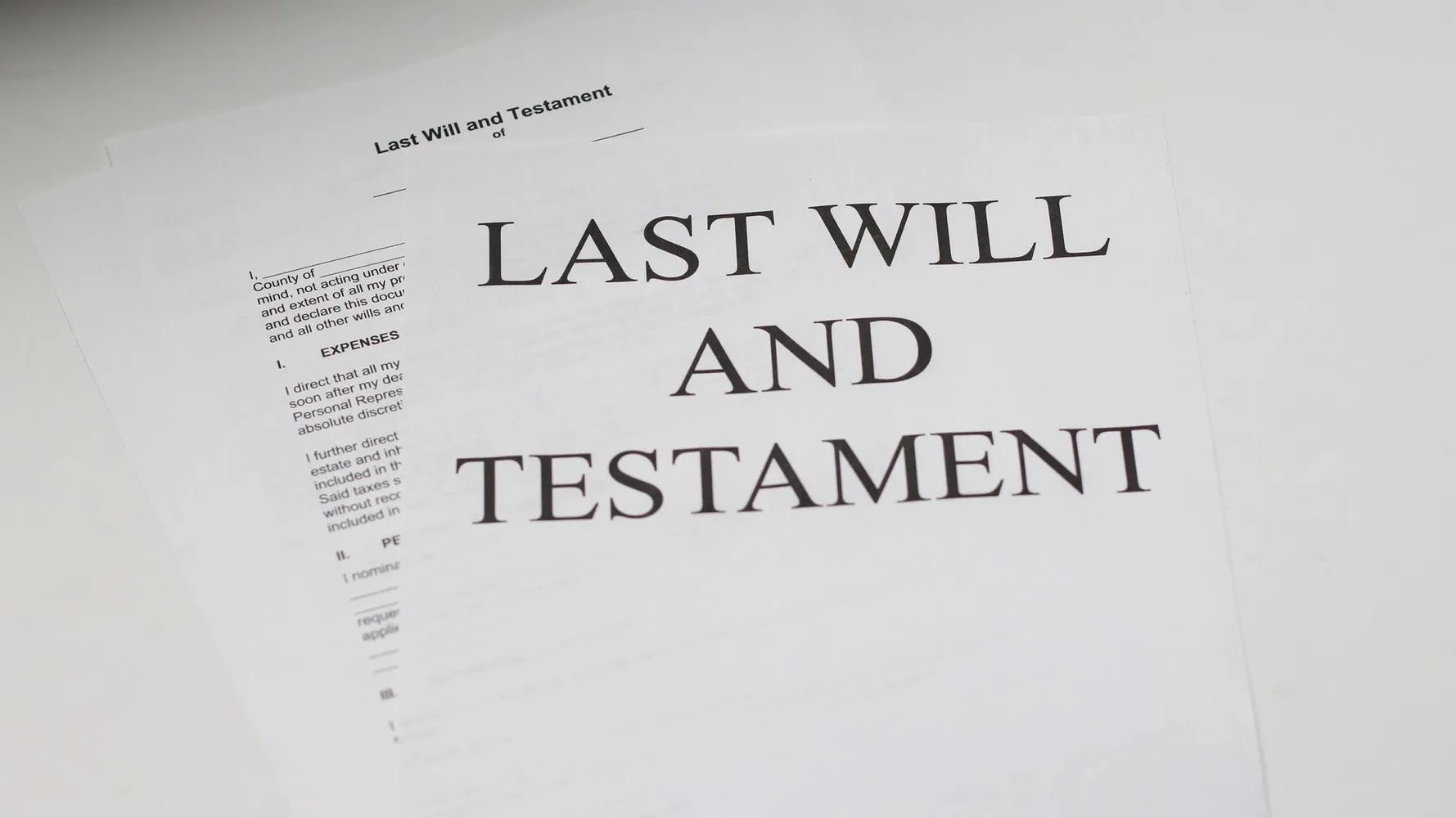
Wills, Estates and Probate
Wills, Estates & Probate law focuses on planning for the distribution of a person’s assets after individual passing and managing their estate in accordance with legal requirements. It includes preparing wills, appointing executors, and ensuring that wishes are clearly documented…
Wills, Estates & Probate law focuses on planning for the distribution of a person’s assets after individual passing and managing their estate in accordance with legal requirements. It includes preparing wills, appointing executors, and ensuring that wishes are clearly documented and legally valid. The probate process involves obtaining legal authority to administer the estate, paying debts, and distributing assets to beneficiaries. With proper legal guidance, these matters are handled efficiently, helping to reduce disputes and ensure a smooth and lawful transfer of assets.
- Wills – Contesting & Part IV claims
- Wills – Drafting
- Power of Attorney
- Probate & Adminstration
Wills – Contesting & Part IV claims
Wills, Probate & Estates law focuses on planning for the distribution of a person’s assets after their passing and managing their estate in accordance with legal requirements. It includes preparing wills, appointing executors, and ensuring that wishes are clearly documented and legally valid.

The probate process involves obtaining legal authority to administer the estate, paying debts, and distributing assets to beneficiaries. With proper legal guidance, these matters are handled efficiently, helping to reduce disputes and ensure a smooth and lawful transfer of assets.

A Part IV claim in the Supreme or County Court of Victoria is a legal challenge where an eligible person asks the court for a fairer share of a deceased person’s estate because the will or intestacy rules did not provide for them adequately. In the County Court, these applications fall under the Family Property List of the court’s common law division. We assist an eligible person to obtain their fair share or alternatively protect estates by defending unfair Part IV claims.


Wills – Drafting
Wills drafting involves creating a legally valid document that clearly outlines how a person’s assets and estate should be distributed after their passing. It ensures that personal wishes are formally recorded and legally recognised.
Proper drafting helps avoid confusion, disputes, and delays for loved ones during an already difficult time. With professional guidance, a will can be tailored to individual circumstances, ensuring clarity, compliance with legal requirements, and peace of mind for the future.
Power of Attorney
Power of Attorney is a legal document that allows a person to appoint someone they trust to make financial, legal, or personal decisions on their behalf. This arrangement can be useful if a person becomes unable to manage their own affairs due to illness, absence, or incapacity.
It ensures that important decisions can still be made without interruption, in accordance with the person’s wishes. With proper legal guidance, a Power of Attorney is carefully structured to provide clarity, protection, and peace of mind for both parties involved.

A Power of Attorney can be tailored to be general or limited, depending on the level of authority required and the specific circumstances. Choosing the right type and clearly defining the scope of decision-making powers helps prevent misuse and ensures the appointed person acts in the best interests of the individual.

In conclusion, wills, probate, and estate planning are essential for ensuring that a person’s assets are managed and distributed according to their wishes. Proper planning provides clarity, reduces uncertainty, and helps protect the interests of loved ones during a difficult time.
With the right legal guidance, the estate administration process can be handled smoothly and in accordance with the law. This helps minimise disputes, ensures compliance with legal requirements, and provides peace of mind that everything has been properly arranged for the future.